GS1 Digital Link Implementation Support with built-in multilingual and accessible capabilities
Add GS1 Digital Link URI support to Accessible Code®. In addition to giving your product package multilingual and text-to-speech accessibility features, this is the best way to make a seamless step into the future of supply chain management. We handle everything from setup to day-to-day operation, so your packaging becomes digital and barrier-free with a single QR code.

*We are a GS1 Japan Partner Member. Our implementation support meets GS1 standards around the world.
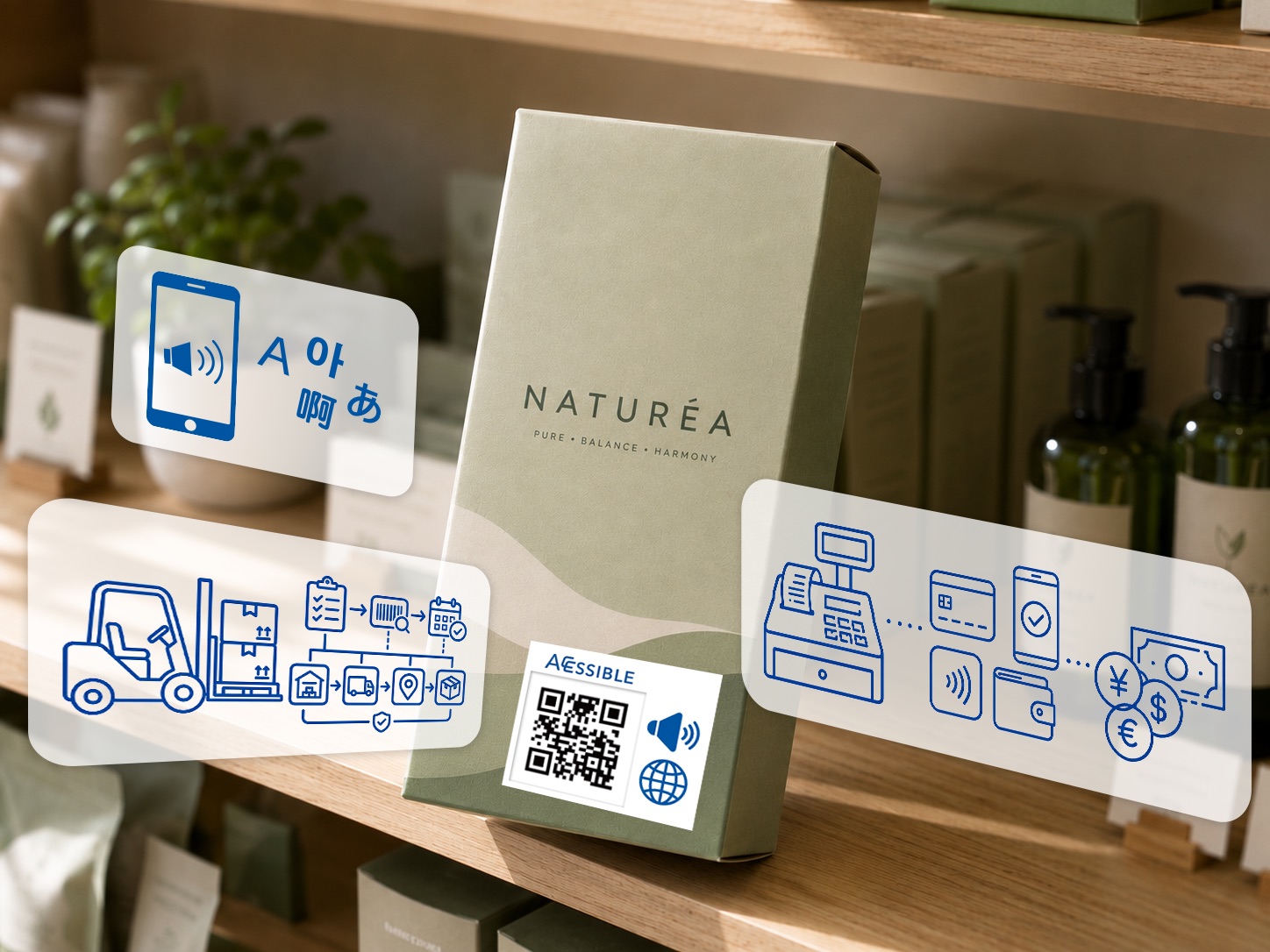
What is GS1 Digital Link?


GS1 Digital Link is a global standard that helps barcodes become web links, and it is overseen by GS1, the organization behind global digital barcodes. It connects a product's Global Trade Item Number (GTIN) to information on the web. The GTIN, batch or lot number, expiry date, and other data are written as a URI (Uniform Resource Identifier), which is similar to a URL. That single URI becomes the way to access product details, instructions, traceability records, and more.
Retailers worldwide are upgrading their checkout systems to scan QR codes and other 2D barcodes alongside traditional barcodes. Manufacturers are likewise updating their systems and product information with this shift in mind.
Product packaging as a live information feed
As the use of GS1 Digital Link expands, 2D codes are becoming the standard way to deliver more product information than can fit on traditional packaging.* There is an ever-increasing need for this kind of digitized product information. As a couple examples, Japan’s Consumer Affairs Agency is working to digitize food labeling, and the EU is rolling out the Digital Product Passport (DPP) to manage information about the materials a product uses and how to handle them sustainably.
Packaging is no longer just a static container with barcodes that talk to machines. It speaks directly to people with all the kinds of information they need, up-to-date and straight into their devices.
*Legally required safety information must still be printed on the package.
Why use GS1 Digital Link?
A QR code with an ordinary URL can already link to product information, but usually one code points to one web page, and that's where it ends. QR codes that meet GS1 Digital Link standards connect with different digital systems throughout the product’s life, from factory to warehouse to check-out aisle and then into a consumer’s hands.
GS1 Digital Link writes the GTIN and other identifiers into a shared format. That means that when it is scanned by devices that are part of a logistical system, it can deliver product information into that system like a traditional barcode can.
Accessible Code® comes in on the consumer end when it is scanned by a smartphone or similar device. It reads the GS1 Digital Link URI from the very same QR code, identifies the product, then connects to multilingual, text-to-speech content displayed in the same language as the smartphone’s settings. This consumer-facing product information is both accessible and up-to-date, even after point-of-sale.
Accessible Code® can already show personalized content by language and collect post point-of-sale scan data for helpful analysis. With GS1 Digital Link, this now means the end user can be shown different content depending on specific parts of the URI, like an expiration date specific to the batch number. Likewise, a manufacturer can collect and analyze scan data for different products depending on different parts of the URI, such as comparing by lot number.
The possibilities aren’t limited to the systems and scanners currently available. As more apps, systems, and purposes increase in the future, a single QR code can connect with any external service it needs to. As a GS1 Digital Link implementation partner, we can help you connect in a meaningful, accessible way with your entire customer base, as well as seamlessly connect with every system that helps your product reach them.
What Accessible Code® provides
GS1 Digital Link makes integration with many kinds of systems possible. We focus on one aspect in particular: giving consumers the right information. Our solutions are built to be accessible for all kinds of audiences and flexible to your needs as a manufacturer.
#1 GS1 Digital Link-compliant URIs and QR codes
- GTIN integration
- Batch or lot numbers, serial numbers, and other attributes built into the code
- Unique, item-level QR codes
#2 Consulting for implementation and operation
- Designed around your goals
- Integration with your existing systems and external services
- A step-by-step move to GS1 Digital Link
#3 Content creation and management
- Consumer-facing product content pages
- Ongoing management and updates
#4 Accessibility
- Text-to-speech audio
- Multilingual support and localized translation
- Designed for people with visual impairments, including tactile marks for locating the QR code
#5 Data and marketing analytics
- Post point-of-sale user scan data by region and language
- Time-of-day and other access trends that indicate how consumers use the product
- Insights to improve products, communication, and sales strategy
A simple example of how implementation works
A full rollout can take an extensive amount of work, including integration with your existing systems. With global standardization well on the way, we recommend a phased approach that starts with what you can do right away.
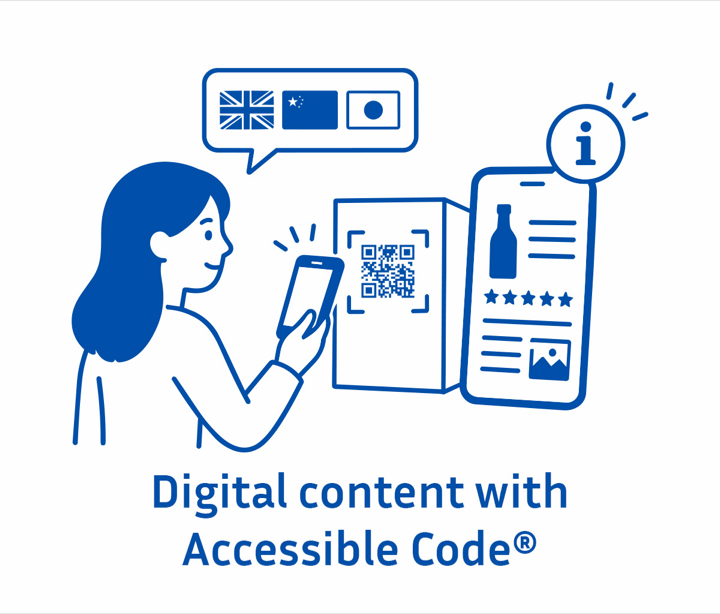
Step 1: Start by informing consumers
Print Accessible Code® on your packaging and start offering information in multiple languages with text-to-speech audio for accessibility. This involves:
- Drafting the multilingual and audio content
- Publishing the product information pages
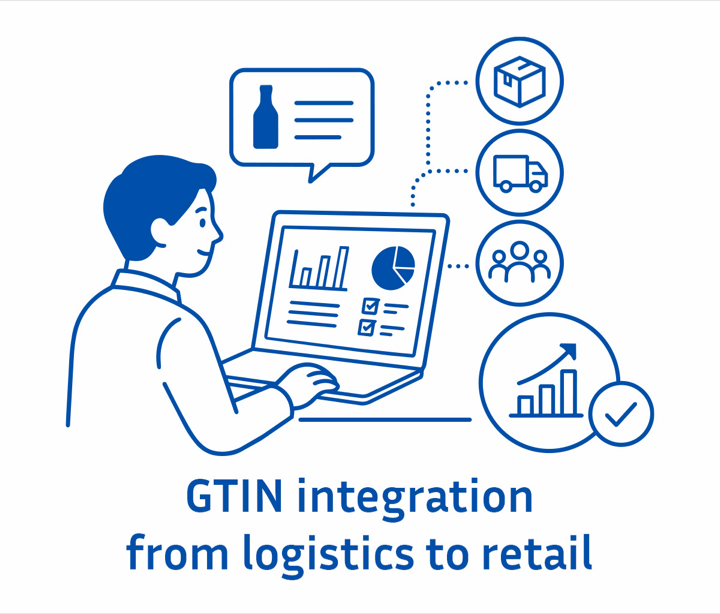
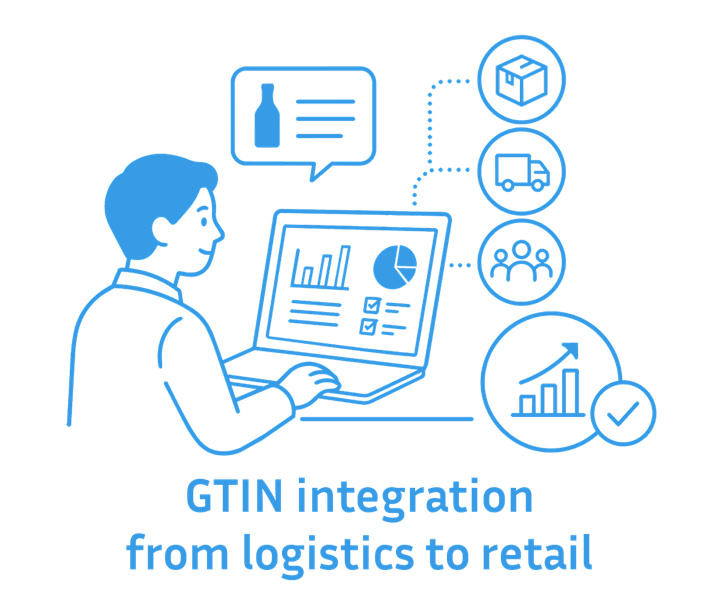
Step 2: Transition to GS1 Digital Link
Make sure your GTINs follow the GS1 standard. Once they are linked on the system side, your Accessible Code® will be upgraded to GS1 Digital Link, with the digital content as-is. This involves:
- Issuing GS1 Digital Link-compliant URIs*
- Incorporating the GTIN, batch or lot number, expiration date, serial number, and other attributes
- Providing product information to be delivered via the GTIN
*A standard-format web address that combines a GTIN (the product number encoded in a conventional barcode, such as the 12-digit UPC or 13-digit EAN) with a website URL.
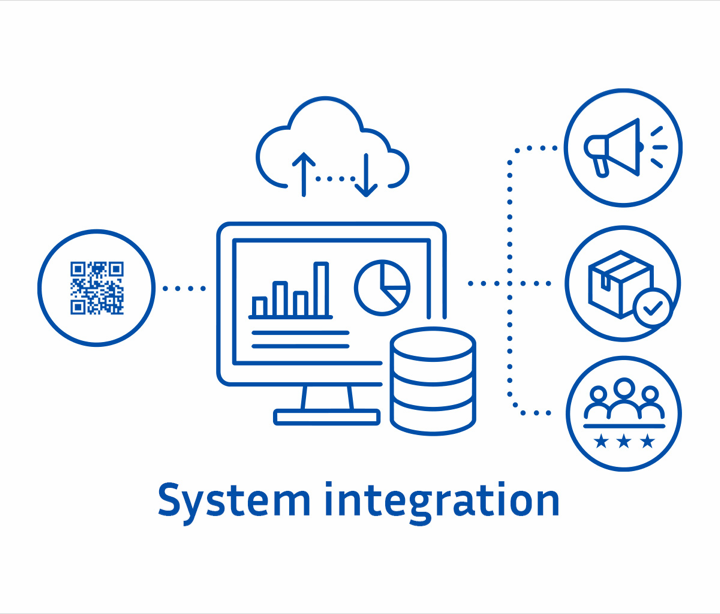
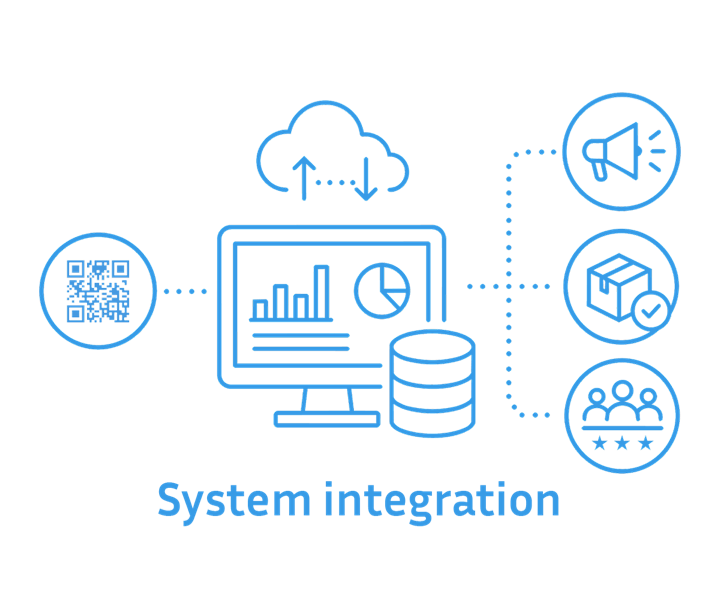
Step 3: Data and system integration (optional)
Put your standardized product identifiers to wider use with other systems, such as from Digital Product Passports (DPP). Services include:
- Integration with core business systems
- Readiness for DPP and other future digital services
- Information tailored to each use and setting
Use cases by industry
We design digital content around each type of product, with multilingual, audio, and accessibility support included as a standard. Going digital gives you flexibility to think beyond product descriptions. Add images, video instructions, recycling details, brand story, ad campaigns, or anything else you want to communicate to your customers. Here are a few examples:
Pharmaceuticals
Package insert information, dosage, precautions
Food and beverages
Ingredients, allergens, recipes
Household goods and cosmetics
Ingredients, instructions, precautions
Apparel
Materials, care instructions, DPP information
Stationery and general goods
Instructions, features, precautions